Understanding and Improving Your Credit Score
Learn the essentials of understanding your credit score and discover actionable tips to improve it for better financial health.
What is a Credit Score?
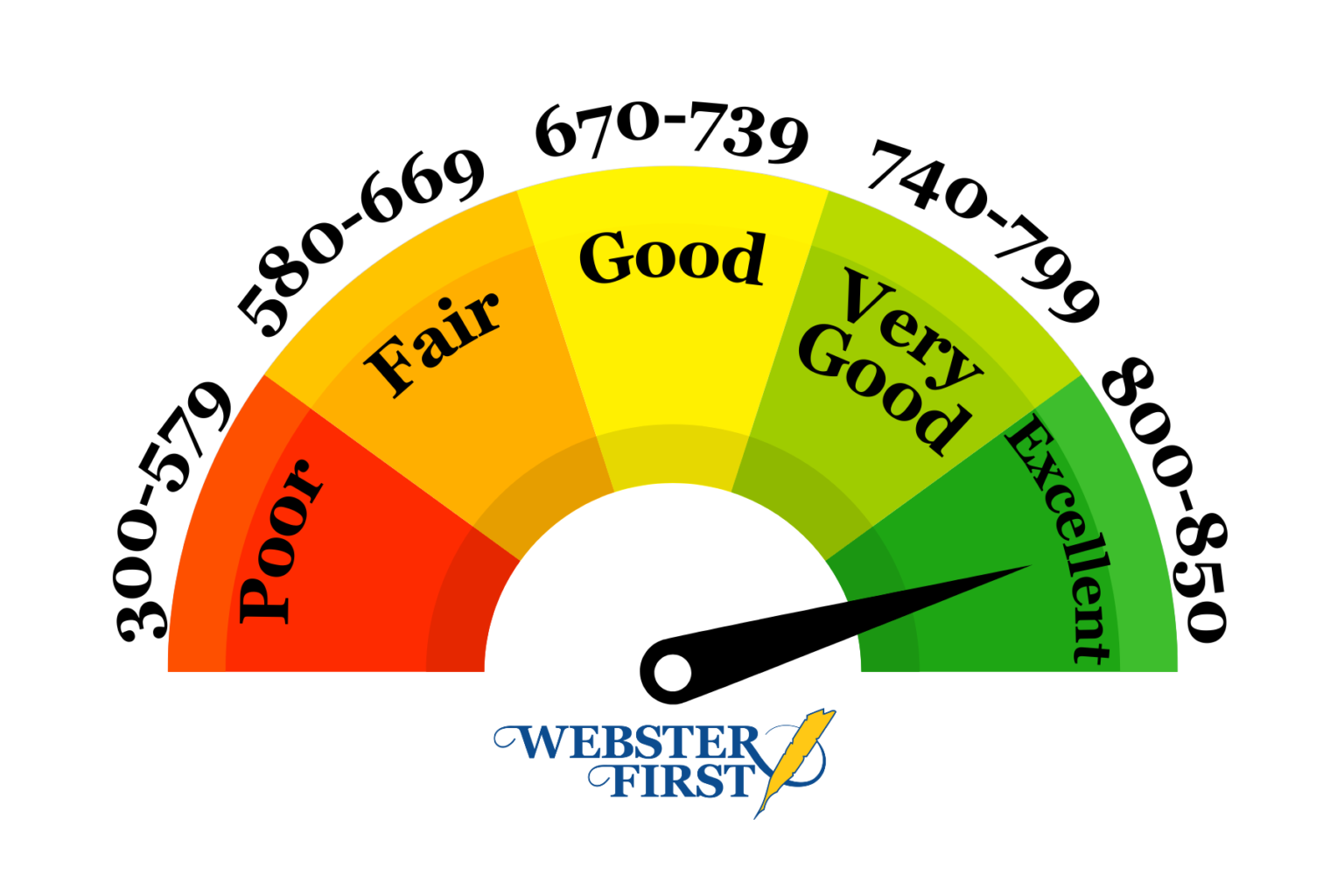
A credit score is a numerical representation of your creditworthiness, typically ranging from 300 to 850. This score is calculated based on your credit history, including factors such as your payment history, the amount of debt you have, the length of your credit history, and the types of credit accounts you hold. Lenders use this score to evaluate the risk of lending you money. A higher credit score indicates a lower risk, making you more likely to qualify for loans and receive favorable interest rates. Understanding your credit score is the first step towards improving it and achieving better financial health.
Factors Affecting Your Credit Score
Several factors influence your credit score, and understanding these can help you make informed decisions. Payment history is the most significant factor, accounting for about 35% of your score. Late payments can severely impact your score. The amount of debt you owe also plays a crucial role; high levels of debt can lower your score. The length of your credit history is another important factor; longer histories generally lead to higher scores. Additionally, the types of credit you have, such as credit cards and loans, and the number of new credit inquiries can also affect your score. Knowing these factors can help you strategize on how to improve your score.
Steps to Improve Your Credit Score
Improving your credit score requires a proactive approach and consistent effort. Start by paying your bills on time; even a single late payment can negatively impact your score. Next, aim to reduce your debt; try to keep your credit card balances low and pay off any outstanding loans. Avoid opening too many new credit accounts at once, as this can lower your score. Additionally, check your credit report regularly for any errors or inaccuracies and dispute them if necessary. By following these steps, you can gradually improve your credit score and enhance your financial standing.
The Importance of Monitoring Your Credit Score
Regularly monitoring your credit score is crucial for maintaining good financial health. By keeping an eye on your score, you can quickly identify any unusual activity or errors that may negatively impact your credit. Many financial institutions offer free credit score monitoring services, making it easier for you to stay informed. Monitoring your credit score also allows you to track your progress as you work on improving it. This awareness can motivate you to maintain good financial habits and avoid actions that could harm your score. In short, staying informed about your credit score is essential for long-term financial success.
Long-Term Benefits of a Good Credit Score
A good credit score opens up numerous opportunities and benefits in the long run. With a high credit score, you are more likely to qualify for lower interest rates on loans and credit cards, saving you money on interest payments. It also makes it easier to get approved for mortgages, auto loans, and rental applications. Additionally, some employers and insurance companies check credit scores as part of their evaluation process, so a good score can enhance your employment and insurance prospects. Ultimately, maintaining a good credit score can lead to better financial stability and more opportunities for personal and professional growth.