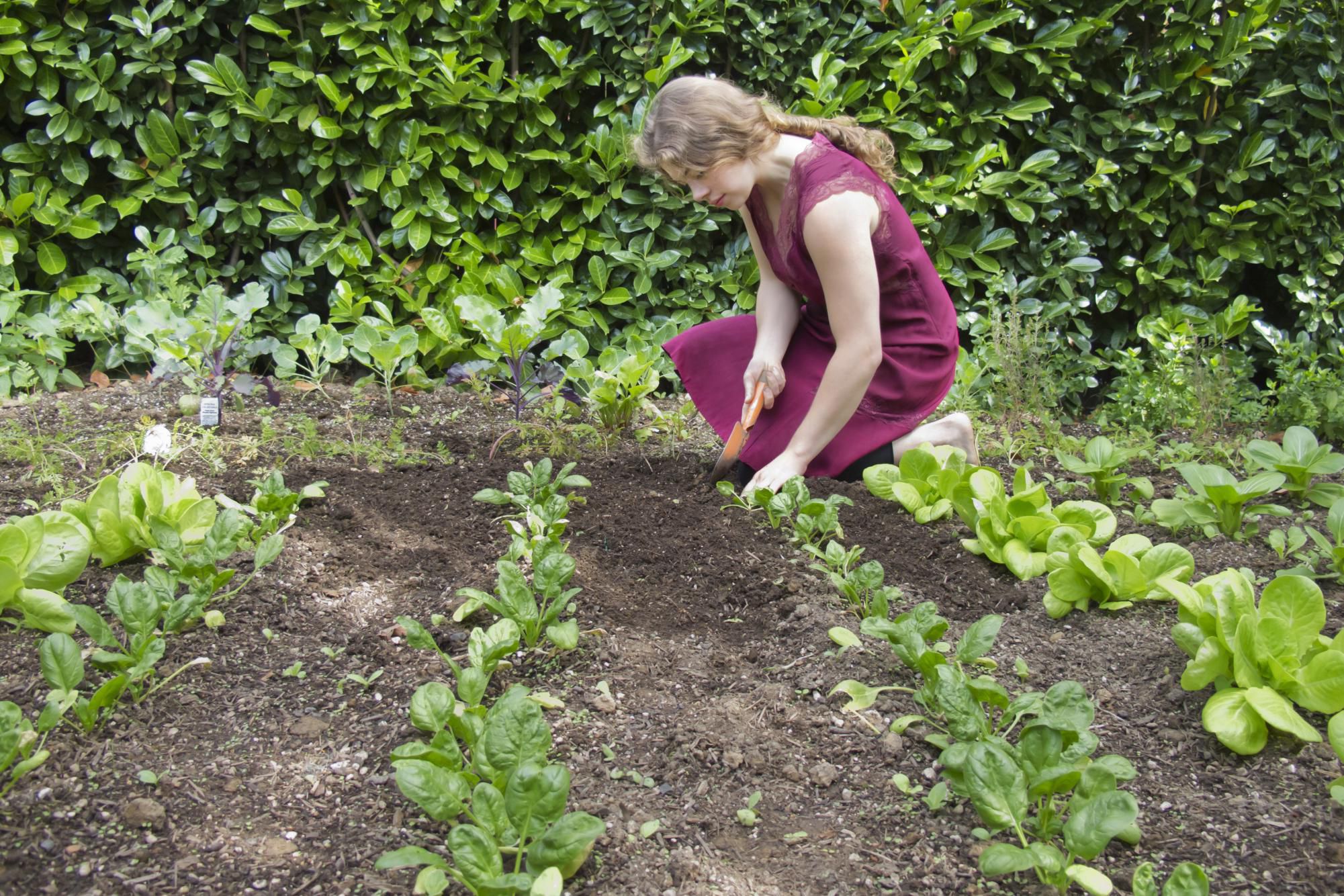
The Ultimate Guide to Container Gardening
Discover the secrets to successful container gardening with our comprehensive guide, perfect for beginners and seasoned gardeners alike.
Introduction to Container Gardening
Container gardening is a versatile and accessible way to grow plants, whether you have a sprawling backyard or a tiny balcony. By using pots, planters, and other containers, you can cultivate a wide variety of plants, from flowers and herbs to vegetables and shrubs. This method is particularly beneficial for those with limited space, poor soil conditions, or a desire to easily move plants around. Container gardening also allows for greater control over the growing environment, making it easier to manage soil quality, water levels, and sunlight exposure.
Choosing the Right Containers
Selecting the appropriate containers is crucial for successful container gardening. Containers come in various materials such as plastic, clay, ceramic, and wood, each with its own advantages and disadvantages. Plastic containers are lightweight and affordable but may not be as aesthetically pleasing as ceramic or clay pots. Clay pots are porous, which helps with aeration but can dry out quickly. Consider the size of the container as well; larger containers hold more soil and moisture, reducing the frequency of watering. Ensure that all containers have adequate drainage holes to prevent waterlogging and root rot.
Selecting the Ideal Soil Mix
The soil mix you use in container gardening plays a pivotal role in plant health. Unlike garden soil, which can be too dense and compact, a good potting mix is lightweight and well-draining. It often contains a combination of peat moss, perlite, vermiculite, and compost, providing essential nutrients and aeration. Some mixes are specifically formulated for certain types of plants, such as succulents or vegetables. It's also beneficial to refresh the soil mix annually to replenish nutrients and improve soil structure. For an added boost, consider incorporating slow-release fertilizers into the soil mix.
Watering Techniques and Tips
Proper watering is essential for container gardening success. Containers tend to dry out faster than in-ground gardens, so regular watering is necessary. The frequency of watering depends on factors like plant type, container size, and weather conditions. To determine if your plants need water, check the soil moisture about an inch below the surface; if it feels dry, it's time to water. Water thoroughly until it drains out of the bottom to ensure the entire root system is hydrated. Self-watering containers and drip irrigation systems can help maintain consistent moisture levels, reducing the risk of over- or under-watering.
Light and Temperature Considerations
Understanding the light and temperature needs of your plants is crucial for thriving container gardens. Most vegetables and flowering plants require full sun, which means at least six hours of direct sunlight daily. However, some plants, like certain herbs and leafy greens, can tolerate partial shade. Position your containers accordingly to provide the optimal light conditions. Temperature also plays a significant role; extreme heat can cause stress and rapid drying, while cold temperatures can damage sensitive plants. Consider using shade cloths, mulch, or moving containers to more sheltered locations to protect your plants from harsh weather.
Fertilization and Nutrient Management
Container plants rely on you for their nutrient supply since they can't access nutrients from the ground. Regular fertilization is key to healthy growth. Use a balanced, water-soluble fertilizer every few weeks during the growing season, following the instructions on the label. Alternatively, you can use slow-release fertilizers that provide a steady nutrient supply over time. Pay attention to signs of nutrient deficiencies, such as yellowing leaves or stunted growth, and adjust your fertilization routine accordingly. Organic options like compost tea or fish emulsion can also be effective and environmentally friendly.
Common Challenges and Solutions
Container gardening comes with its own set of challenges, but most can be easily managed with proper care and attention. Pests and diseases are common issues; regularly inspect your plants for signs of trouble and treat them promptly with organic or chemical solutions as needed. Overcrowding can lead to poor air circulation and increased disease risk, so ensure each plant has enough space to grow. Another challenge is root-bound plants, which occur when roots outgrow the container. Repotting into a larger container or pruning the roots can alleviate this issue. By staying vigilant and proactive, you can enjoy a thriving container garden year-round.