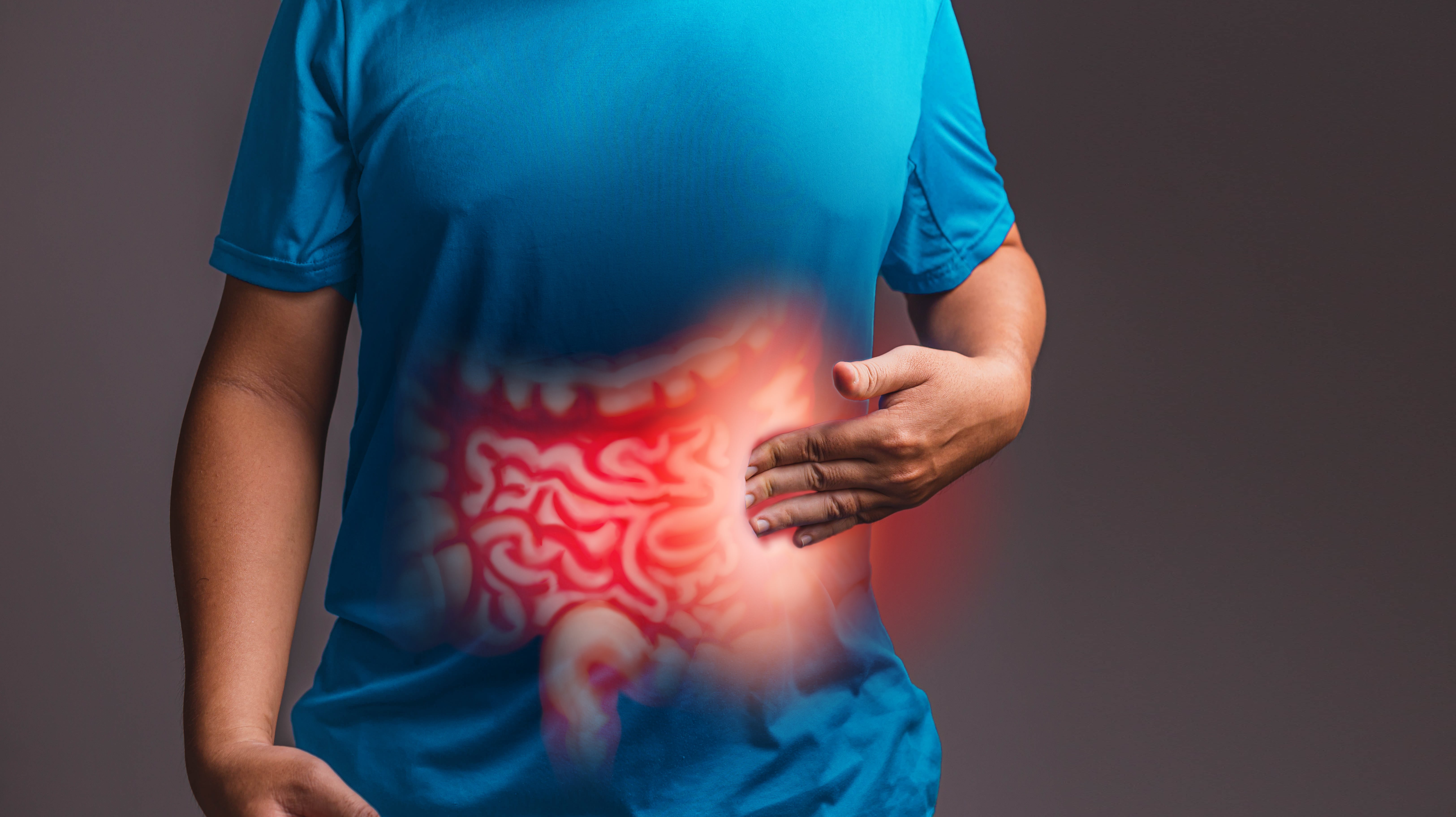
The Role of Gut Health in Overall Wellness
Gut health significantly impacts overall wellness, influencing digestion, immunity, and even mental health. Learn how to nurture your gut for better health.
Understanding Gut Health
Gut health refers to the balance and function of bacteria in the gastrointestinal tract. This complex ecosystem, known as the gut microbiome, plays a crucial role in digestion, nutrient absorption, and immune function. A healthy gut is home to trillions of bacteria, viruses, and fungi that work symbiotically to maintain overall health. Disruptions to this balance can lead to digestive issues, inflammation, and a weakened immune system. Understanding gut health involves recognizing the signs of imbalance, such as bloating, constipation, and food intolerances, and taking steps to support a healthy microbiome through diet and lifestyle changes.
The Gut-Brain Connection
The gut and brain are intricately connected through the gut-brain axis, a bidirectional communication network that links the central nervous system with the enteric nervous system. This connection explains why gut health can influence mental well-being. For example, stress and anxiety can lead to digestive issues, while poor gut health can exacerbate mental health conditions. Serotonin, a neurotransmitter that regulates mood, is largely produced in the gut. Therefore, maintaining a healthy gut can help support mental health by promoting balanced serotonin levels and reducing inflammation that can affect brain function.
The Immune System's Ally
Approximately 70% of the immune system is located in the gut, making gut health essential for a robust immune response. The gut microbiome helps train the immune system to distinguish between harmful pathogens and beneficial microbes. A diverse and balanced microbiome can prevent the overgrowth of harmful bacteria and reduce the risk of infections. Conversely, an imbalanced microbiome, known as dysbiosis, can lead to chronic inflammation and autoimmune diseases. Supporting gut health through a varied diet rich in fiber, probiotics, and prebiotics can enhance immune function and overall health.
Digestive Health and Nutrient Absorption
The primary function of the gut is to digest food and absorb nutrients. A healthy gut lining acts as a barrier, preventing harmful substances from entering the bloodstream while allowing essential nutrients to pass through. When the gut is healthy, digestion is efficient, and nutrient absorption is optimized. However, conditions such as leaky gut syndrome can compromise this barrier, leading to nutrient deficiencies and systemic inflammation. To support digestive health, it's important to consume a balanced diet, stay hydrated, and avoid processed foods that can disrupt the gut microbiome.
Diet's Impact on Gut Health
Diet plays a significant role in shaping the gut microbiome. A diet high in processed foods, sugar, and unhealthy fats can negatively impact gut health, leading to dysbiosis and inflammation. Conversely, a diet rich in whole foods, such as fruits, vegetables, whole grains, and lean proteins, can promote a diverse and balanced microbiome. Probiotic-rich foods, such as yogurt, kefir, and fermented vegetables, introduce beneficial bacteria to the gut, while prebiotic foods, such as garlic, onions, and bananas, provide the fiber that feeds these bacteria. Making mindful dietary choices can support gut health and overall wellness.
The Role of Probiotics and Prebiotics
Probiotics and prebiotics are essential for maintaining a healthy gut microbiome. Probiotics are live beneficial bacteria found in certain foods and supplements that help restore and maintain the balance of the gut microbiome. Prebiotics, on the other hand, are non-digestible fibers that feed these beneficial bacteria. Incorporating both probiotics and prebiotics into the diet can support a healthy gut. Probiotic supplements can be particularly useful after antibiotic use, which can disrupt the microbiome. Prebiotic-rich foods, such as chicory root, asparagus, and oats, help sustain beneficial bacteria and promote gut health.
Lifestyle Factors Affecting Gut Health
In addition to diet, several lifestyle factors can influence gut health. Stress management is crucial, as chronic stress can negatively impact the gut microbiome and lead to digestive issues. Regular physical activity can promote healthy digestion and support a balanced microbiome. Adequate sleep is also important, as poor sleep can disrupt gut bacteria and affect overall health. Avoiding smoking and limiting alcohol consumption can further support gut health. By adopting a holistic approach that includes a healthy diet, stress management, regular exercise, and good sleep hygiene, individuals can maintain a healthy gut and overall wellness.
Monitoring and Improving Gut Health
Monitoring gut health involves paying attention to digestive symptoms and making adjustments as needed. Keeping a food diary can help identify foods that may trigger digestive issues. Regular check-ups with healthcare providers can help detect and address any underlying gut health problems. Proactive measures, such as incorporating fiber-rich foods, staying hydrated, and considering probiotic supplements, can support gut health. If symptoms persist, seeking guidance from a healthcare professional or a registered dietitian can provide personalized recommendations. By prioritizing gut health, individuals can enhance their overall well-being and quality of life.