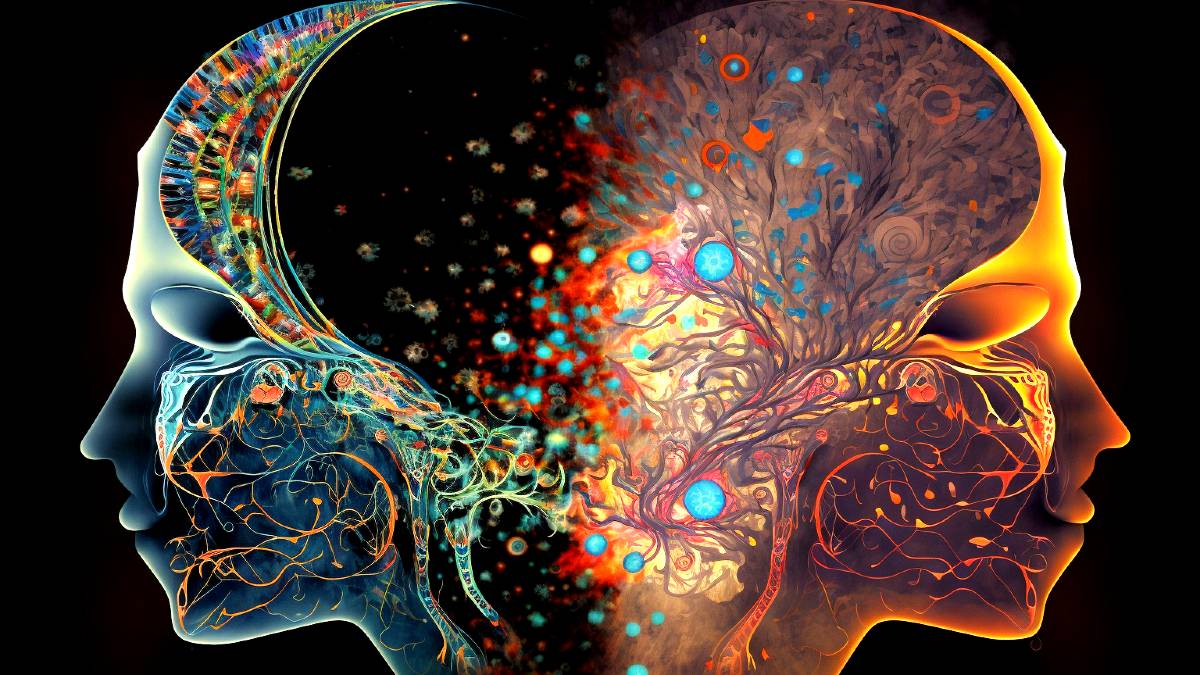
The Connection Between Physical and Mental Health
Exploring the intricate relationship between physical and mental health, highlighting how each aspect influences overall well-being.
Understanding the Link Between Physical and Mental Health
The Interconnected Nature of Health
Physical and mental health are intricately connected and often influence one another. When one is affected, the other is likely to be impacted as well. For example, regular physical activity can significantly improve mental health by reducing symptoms of anxiety and depression. Conversely, mental health issues can manifest as physical symptoms, such as headaches or digestive problems. This bi-directional relationship underscores the importance of addressing both aspects to achieve overall well-being. By understanding this connection, individuals can take proactive steps to maintain a balanced lifestyle that supports both physical and mental health.
The Impact of Exercise on Mental Health
Engaging in regular physical activity has been shown to have numerous benefits for mental health. Exercise releases endorphins, which are chemicals in the brain that act as natural painkillers and mood elevators. This can lead to improved mood, reduced anxiety, and enhanced cognitive function. Additionally, exercise can serve as a distraction from negative thoughts and provide a sense of accomplishment. Whether it's through running, swimming, or practicing yoga, incorporating physical activity into one's daily routine can significantly boost mental well-being and overall quality of life.
The Role of Nutrition
A balanced diet plays a crucial role in maintaining both physical and mental health. Nutrient-rich foods provide the essential vitamins and minerals needed for the proper functioning of the body and brain. For instance, omega-3 fatty acids found in fish are known to support brain health and reduce symptoms of depression. On the other hand, a diet high in processed foods and sugars can lead to inflammation and negatively impact mental health. By making conscious food choices, individuals can support their mental health and enhance their physical well-being simultaneously.
The Effects of Sleep on Health
Sleep is another critical factor that influences both physical and mental health. Poor sleep quality or insufficient sleep can lead to a range of health issues, including weakened immune function, increased stress levels, and impaired cognitive abilities. Chronic sleep deprivation has also been linked to mental health disorders such as depression and anxiety. Establishing a consistent sleep routine and creating a conducive sleep environment can help improve sleep quality, thereby supporting overall health. Prioritizing sleep is essential for maintaining a healthy balance between the body and mind.
Stress Management Techniques
Chronic stress can have detrimental effects on both physical and mental health. Prolonged stress can lead to conditions such as hypertension, heart disease, and mental health disorders like anxiety and depression. Implementing stress management techniques such as mindfulness meditation, deep breathing exercises, and progressive muscle relaxation can help mitigate the negative effects of stress. Additionally, engaging in hobbies, spending time with loved ones, and setting realistic goals can contribute to reducing stress levels and promoting overall well-being.
Social Connections and Health
Social connections play a vital role in maintaining both physical and mental health. Strong social support networks can provide emotional support, reduce feelings of loneliness, and improve overall happiness. Studies have shown that individuals with robust social connections have a lower risk of chronic illnesses and mental health disorders. Engaging in social activities, volunteering, and maintaining close relationships with family and friends can foster a sense of belonging and improve overall health. Prioritizing social connections is an essential aspect of a holistic approach to health.
The Importance of a Holistic Approach
Adopting a holistic approach to health involves recognizing the interconnectedness of physical and mental well-being. Rather than focusing on one aspect in isolation, it's important to consider how various lifestyle factors influence overall health. This includes regular physical activity, balanced nutrition, adequate sleep, stress management, and strong social connections. By addressing these areas collectively, individuals can create a more comprehensive and sustainable approach to health. Embracing a holistic perspective can lead to improved quality of life and long-term well-being.