Exploring the World of Virtual Reality
Dive into the immersive realm of Virtual Reality, exploring its technology, applications, and the future it holds for various industries.
The Emergence of Virtual Reality
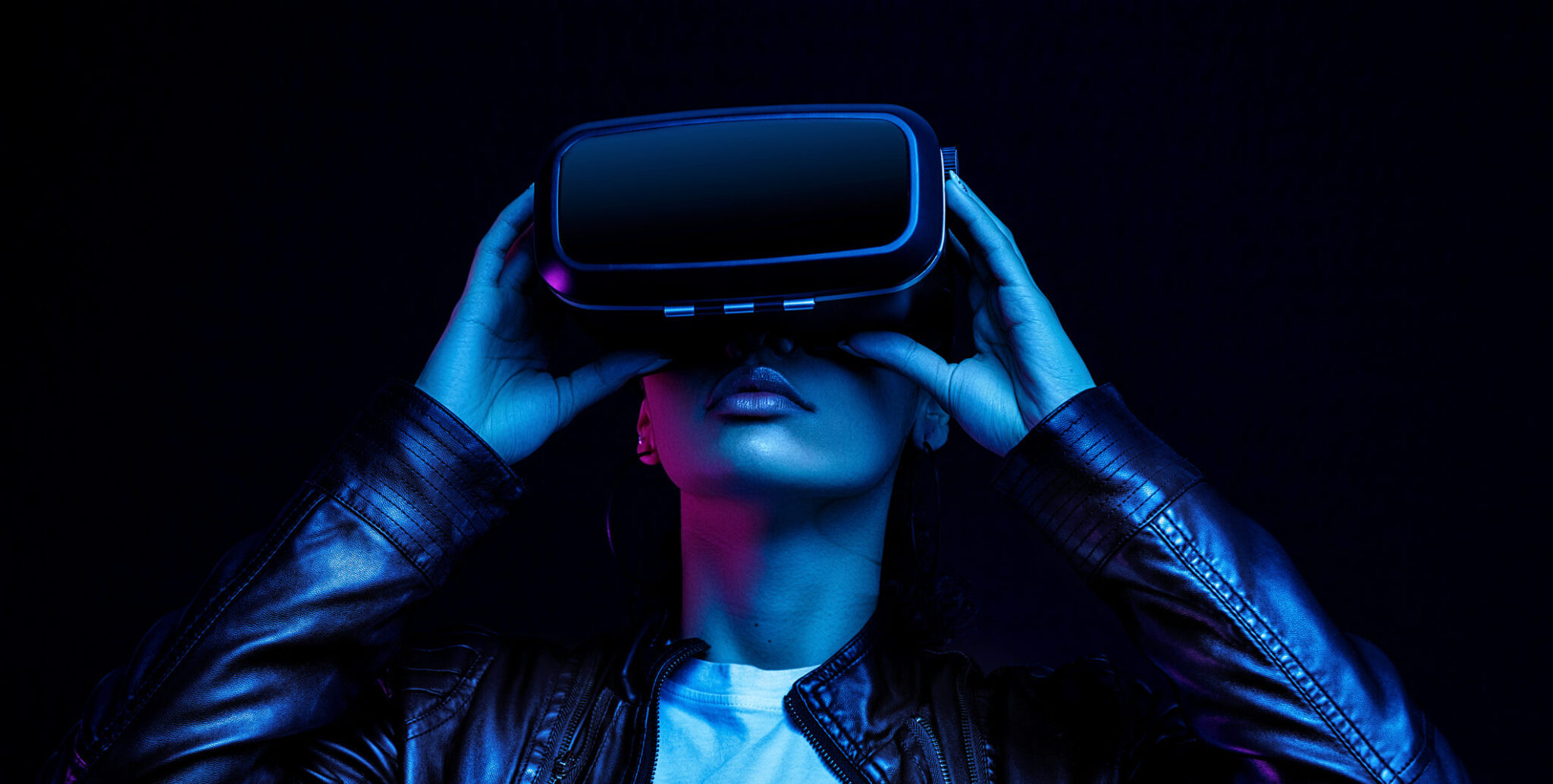
Virtual Reality (VR) has transformed the way we interact with digital environments. Initially seen as a niche technology, VR has rapidly evolved and is now a prominent player in the realm of computers and consumer electronics. This immersive technology creates a simulated environment that can be similar to or completely different from the real world. The ability to transport users to a different reality has profound implications for entertainment, education, and professional training. By wearing a VR headset, users can explore new worlds, interact with digital objects, and experience a level of immersion that traditional screens cannot provide. The emergence of VR marks a significant milestone in our digital evolution, opening doors to endless possibilities and innovations. From gaming to virtual tourism, VR is reshaping our digital experiences in unprecedented ways.
The Technology Behind Virtual Reality
At the core of VR lies a combination of hardware and software designed to create immersive experiences. VR headsets are equipped with motion sensors, gyroscopes, and accelerometers to track head movements and adjust the visual display accordingly. High-resolution screens and advanced optics ensure that the virtual environment is rendered with clarity and depth. Additionally, haptic feedback devices and spatial audio systems enhance the sensory experience, making interactions within the virtual space more realistic. On the software side, powerful graphics engines and algorithms generate and manage the virtual worlds. Developers use tools like Unity and Unreal Engine to create complex simulations that respond dynamically to user inputs. The synergy between hardware and software is crucial for delivering a seamless and convincing VR experience, allowing users to feel truly present in the digital realm.
Applications of Virtual Reality
The applications of VR extend far beyond gaming and entertainment. In education, VR offers immersive learning experiences, allowing students to explore historical sites, conduct virtual science experiments, and practice skills in a safe, controlled environment. In the medical field, VR is used for surgical training, pain management, and even therapy for conditions like PTSD and phobias. Architects and engineers use VR to visualize projects, conduct virtual walkthroughs, and identify potential issues before construction begins. In the corporate world, VR facilitates remote collaboration, virtual meetings, and employee training programs. The versatility of VR technology makes it a valuable tool across various industries, enhancing productivity, creativity, and learning outcomes. As VR continues to evolve, its applications are likely to expand, further integrating into our daily lives.
The Social Impact of Virtual Reality
The rise of VR has significant social implications. On one hand, VR has the potential to bridge distances and connect people from different parts of the world. Virtual social platforms allow users to meet, interact, and collaborate in shared virtual spaces, fostering a sense of community and belonging. On the other hand, there are concerns about isolation and addiction, as users might prefer virtual interactions over real-life socialization. The immersive nature of VR can make it easy to lose track of time, leading to potential negative impacts on mental and physical health. Balancing the benefits and drawbacks of VR is essential to ensure that it enhances rather than detracts from our social lives. As the technology matures, developers and policymakers must work together to address these challenges and promote responsible use of VR.
The Future of Virtual Reality
The future of VR holds exciting prospects as technology continues to advance. Wireless VR headsets, improved graphics, and more intuitive user interfaces are on the horizon, promising even more immersive and accessible experiences. Augmented Reality (AR) and Mixed Reality (MR) are also emerging as complementary technologies, blending digital content with the real world. This convergence of VR, AR, and MR will create new opportunities for interactive storytelling, education, and professional applications. Additionally, advancements in AI and machine learning will enable more intelligent and responsive virtual environments. As VR becomes more mainstream, we can expect to see greater integration with other technologies, such as the Internet of Things (IoT) and 5G networks. The future of VR is bright, with the potential to revolutionize how we interact with the digital and physical worlds.
Challenges and Considerations
Despite its potential, VR faces several challenges that must be addressed to achieve widespread adoption. Cost remains a significant barrier, as high-quality VR headsets and compatible hardware can be expensive. Accessibility is another concern, as not all users have the physical ability to use VR equipment comfortably. Additionally, content creation for VR is complex and resource-intensive, requiring specialized skills and tools. Motion sickness is a common issue, with some users experiencing discomfort during prolonged VR sessions. Addressing these challenges requires ongoing research, innovation, and collaboration among industry stakeholders. By focusing on affordability, accessibility, and user experience, the VR industry can overcome these obstacles and unlock the full potential of this transformative technology.