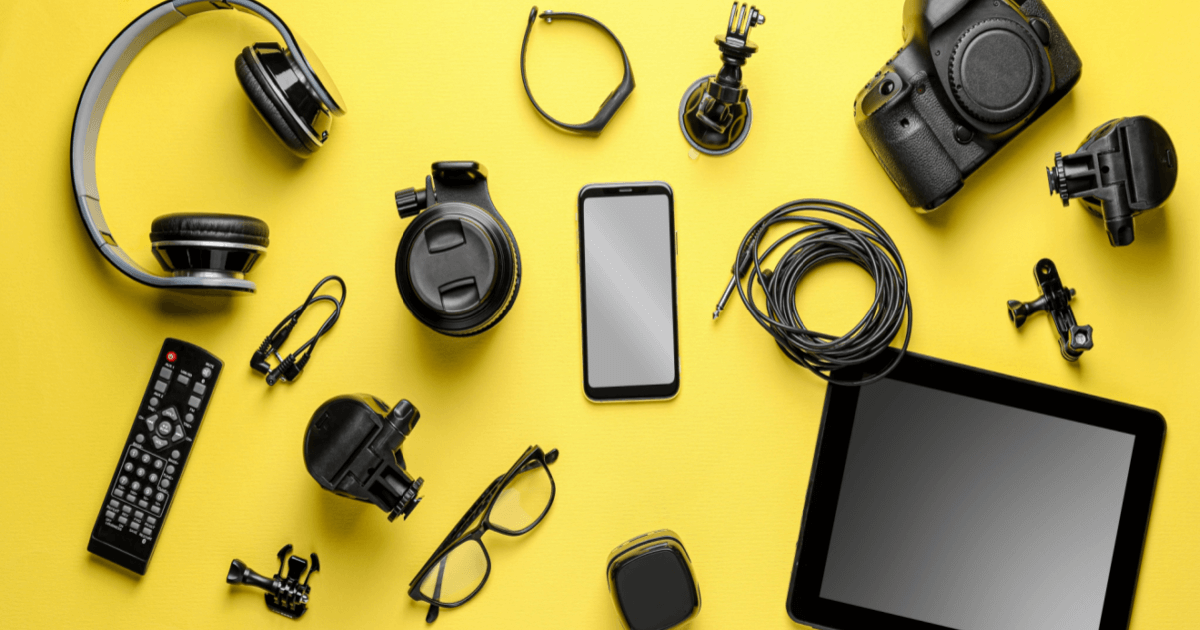
Exploring the Latest Trends in Consumer Electronics
Discover the cutting-edge innovations shaping the future of consumer electronics, from AI integration to sustainable tech solutions.
The Rise of Smart Home Devices
In recent years, smart home devices have become a staple in modern households. From smart thermostats to intelligent lighting systems, these devices offer unprecedented convenience and energy efficiency. The ability to control home appliances remotely through a smartphone app or voice command has revolutionized daily living. Smart home hubs, such as those compatible with Alexa or Google Assistant, integrate various devices into a seamless ecosystem. This trend not only simplifies tasks but also enhances home security through smart locks and surveillance systems. As technology advances, the integration of artificial intelligence and machine learning will likely make these devices even more intuitive and indispensable.
Wearable Technology and Health Monitoring
Wearable technology has made significant strides, especially in health monitoring. Fitness trackers and smartwatches now come equipped with sensors that monitor heart rate, sleep patterns, and even blood oxygen levels. These devices provide real-time data, helping users make informed decisions about their health and fitness routines. The integration of ECG monitors and fall detection features has also made wearables valuable for elderly users. With advancements in sensor technology and data analytics, wearable devices are expected to offer even more precise and comprehensive health insights in the future.
The Evolution of Smartphones
Smartphones continue to evolve at a rapid pace, incorporating cutting-edge features that redefine user experience. Foldable screens and 5G connectivity are among the latest innovations, offering faster internet speeds and more versatile display options. Camera technology has also seen remarkable improvements, with multiple lenses and AI-driven enhancements producing professional-quality photos and videos. Battery life and charging speeds have improved, addressing one of the most common user complaints. As smartphones become more integral to our daily lives, manufacturers are focusing on creating devices that are not only powerful but also sustainable, with an emphasis on recyclable materials and longer product lifecycles.
Advancements in Gaming Consoles
The gaming industry has witnessed a surge in innovation, particularly in the realm of gaming consoles. The latest consoles offer stunning graphics, faster load times, and immersive gameplay experiences. Features like ray tracing and high frame rates have set new standards for visual fidelity. Moreover, the integration of cloud gaming services allows users to play high-quality games without needing expensive hardware. Enhanced connectivity options and cross-platform play have also expanded the gaming community, making it easier for friends to play together regardless of the console they own. As virtual reality and augmented reality technologies advance, the future of gaming looks even more exciting.
The Boom of Electric Vehicles
Electric vehicles (EVs) are no longer a niche market; they have become a significant trend in the automotive industry. Advances in battery technology have extended driving ranges and reduced charging times, making EVs more practical for everyday use. The environmental benefits, such as reduced emissions, have also contributed to their growing popularity. Many countries are investing in charging infrastructure to support the increasing number of EVs on the road. Additionally, innovations in autonomous driving are making EVs safer and more efficient. As technology continues to evolve, we can expect electric vehicles to play a crucial role in the future of transportation.
The Impact of Augmented Reality
Augmented Reality (AR) is transforming various sectors, from retail to education. In retail, AR allows customers to virtually try on clothes or see how furniture would look in their homes before making a purchase. This technology enhances the shopping experience by providing more information and reducing the uncertainty of online shopping. In education, AR offers interactive and engaging learning experiences, making complex subjects easier to understand. The use of AR in professional training, such as medical simulations, is also gaining traction. As AR technology becomes more accessible, its applications will likely expand, offering new ways to interact with the world around us.
The Future of Personal Computing
Personal computing is undergoing a transformation with the advent of quantum computing and advancements in artificial intelligence. Quantum computers have the potential to solve complex problems that are currently beyond the capabilities of classical computers. This could revolutionize fields such as cryptography, drug discovery, and financial modeling. Meanwhile, AI is making personal computers smarter and more efficient. Voice assistants, predictive typing, and advanced data analytics are just a few examples of how AI is enhancing user experience. As these technologies continue to develop, the future of personal computing looks promising, offering unprecedented capabilities and efficiencies.