DIY Garden Projects for Beginners
Discover easy and enjoyable DIY garden projects perfect for beginners. Transform your outdoor space with simple, budget-friendly ideas.
Getting Started with DIY Gardening
Starting your own garden can be a fulfilling and enjoyable hobby. For beginners, the idea of creating a garden might seem daunting, but with a few basic steps, you can transform your outdoor space into a lush, green haven. Begin by choosing a suitable location with ample sunlight and good soil. If you're limited on space, consider container gardening. Containers can be placed on balconies, patios, or windowsills. Gather essential tools such as a trowel, watering can, and gardening gloves. Start with easy-to-grow plants like herbs, lettuce, or marigolds to build your confidence. Remember, gardening is a learning process, so don't be afraid to experiment and make mistakes along the way.
Selecting the Right Plants
Choosing the right plants for your garden is crucial for success. As a beginner, it's best to start with low-maintenance plants that are resilient and easy to care for. Consider your climate and soil type when selecting plants. Native plants are often a good choice as they are well-suited to the local environment. Herbs like basil, rosemary, and mint are excellent for beginners and can be used in cooking. Flowers such as sunflowers, zinnias, and pansies add color and are relatively easy to grow. If you're interested in vegetables, try growing tomatoes, cucumbers, or beans. By selecting the right plants, you'll set yourself up for a thriving garden.
Soil Preparation and Composting
Healthy soil is the foundation of a successful garden. Start by testing your soil to determine its pH level and nutrient content. You can purchase a soil testing kit from a garden center or use a professional service. Once you know your soil's condition, you can amend it with organic matter like compost or manure to improve its fertility. Composting is an excellent way to recycle kitchen scraps and garden waste into nutrient-rich soil. Create a compost bin or pile in a shady spot in your yard and add materials such as vegetable peels, coffee grounds, and grass clippings. Turn the compost regularly to speed up the decomposition process. Over time, you'll have rich, dark compost to enrich your garden soil.
Watering and Mulching
Proper watering is essential for healthy plant growth. Most plants need about one inch of water per week, either from rainfall or irrigation. Water your garden early in the morning to minimize evaporation and allow plants to absorb moisture before the heat of the day. Use a soaker hose or drip irrigation system to deliver water directly to the plant roots. Mulching is another important practice that helps retain soil moisture and suppress weeds. Apply a layer of organic mulch, such as straw, wood chips, or shredded leaves, around your plants. Mulch also helps regulate soil temperature and adds nutrients as it decomposes. By watering and mulching correctly, you'll create a more sustainable and productive garden.
Creating a Garden Layout
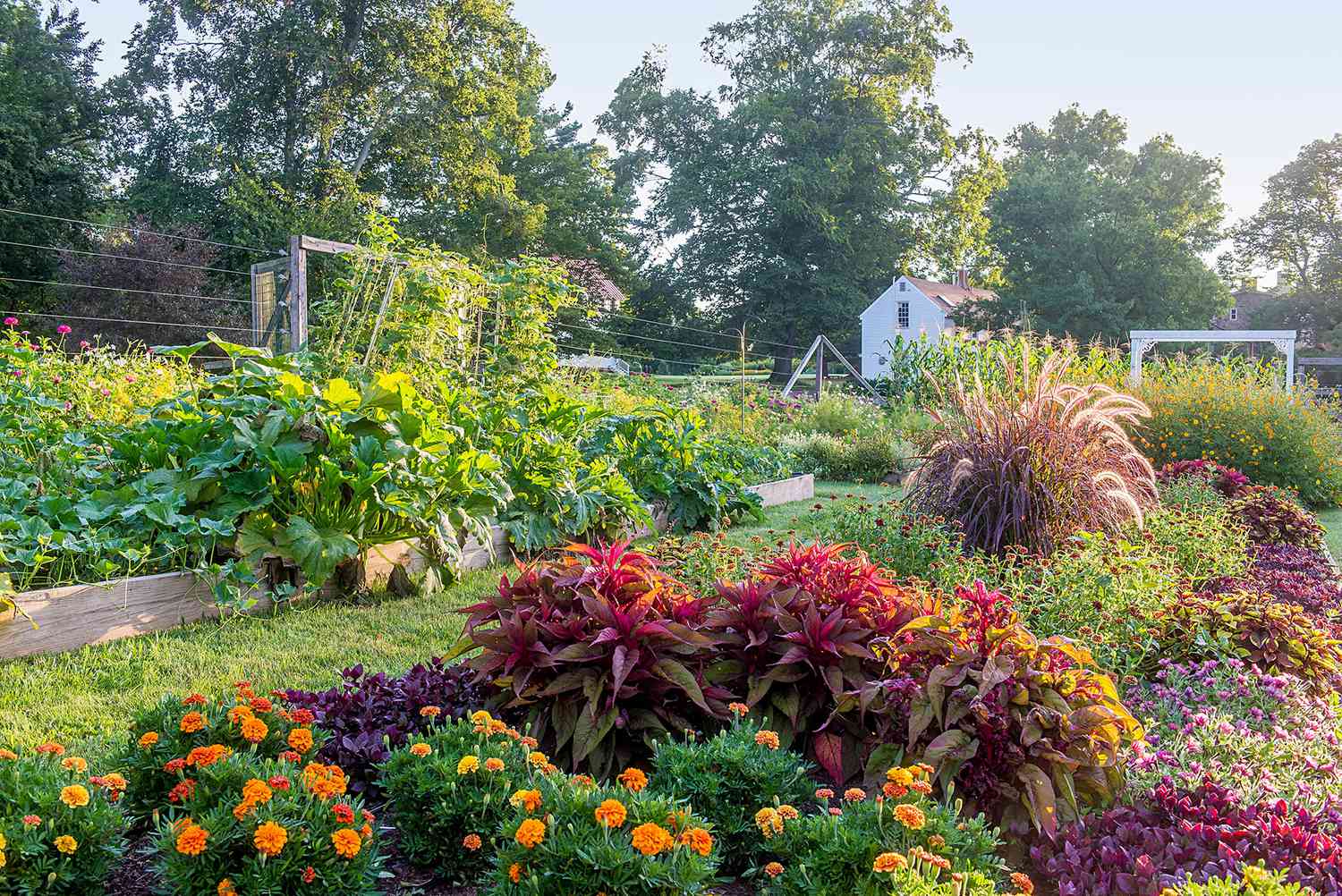
Planning your garden layout is a fun and creative process. Start by sketching a rough design of your garden space. Consider the sunlight exposure and the mature size of each plant when deciding where to place them. Group plants with similar water and sunlight needs together. Incorporate pathways to make it easy to access different areas of your garden. Raised beds are a great option for beginners as they provide better drainage and can be filled with high-quality soil. If you're growing vegetables, consider planting in rows or blocks to maximize space. Adding decorative elements like garden statues, birdbaths, or trellises can enhance the aesthetic appeal of your garden.
Pest Control and Maintenance
Keeping pests at bay is a common challenge for gardeners. Integrated Pest Management (IPM) is an eco-friendly approach that combines various strategies to manage pests effectively. Start by encouraging beneficial insects like ladybugs and lacewings that prey on harmful pests. Use physical barriers such as row covers or netting to protect plants from insects and animals. Hand-pick pests like caterpillars and slugs from your plants. If necessary, use organic pesticides made from natural ingredients like neem oil or insecticidal soap. Regular maintenance tasks such as weeding, pruning, and deadheading flowers will keep your garden healthy and vibrant. Stay vigilant and address pest issues promptly to prevent them from spreading.
Harvesting and Enjoying Your Garden
One of the most rewarding aspects of gardening is harvesting the fruits of your labor. Knowing when and how to harvest your crops is key to enjoying the best flavors and highest yields. For vegetables, pick them when they are mature but still tender. Herbs can be harvested throughout the growing season by snipping off the leaves or stems as needed. Flowers should be cut early in the morning when they are fully hydrated. Use clean, sharp scissors or pruners to make clean cuts and avoid damaging the plants. Share your bounty with friends and family or preserve it by drying, freezing, or canning. Enjoying the harvest is a wonderful way to celebrate your gardening success.
Continuing Your Gardening Journey
Gardening is a continuous learning experience that evolves with each season. As you gain more confidence and knowledge, you can experiment with new plants, techniques, and garden designs. Join a local gardening club or online community to connect with other gardeners and share tips and experiences. Attend workshops or read gardening books and magazines to stay informed about the latest trends and best practices. Don't be discouraged by setbacks; every gardener faces challenges along the way. Embrace the process, enjoy the beauty of nature, and take pride in your accomplishments. With time and dedication, you'll become a skilled gardener and create a thriving, beautiful garden.