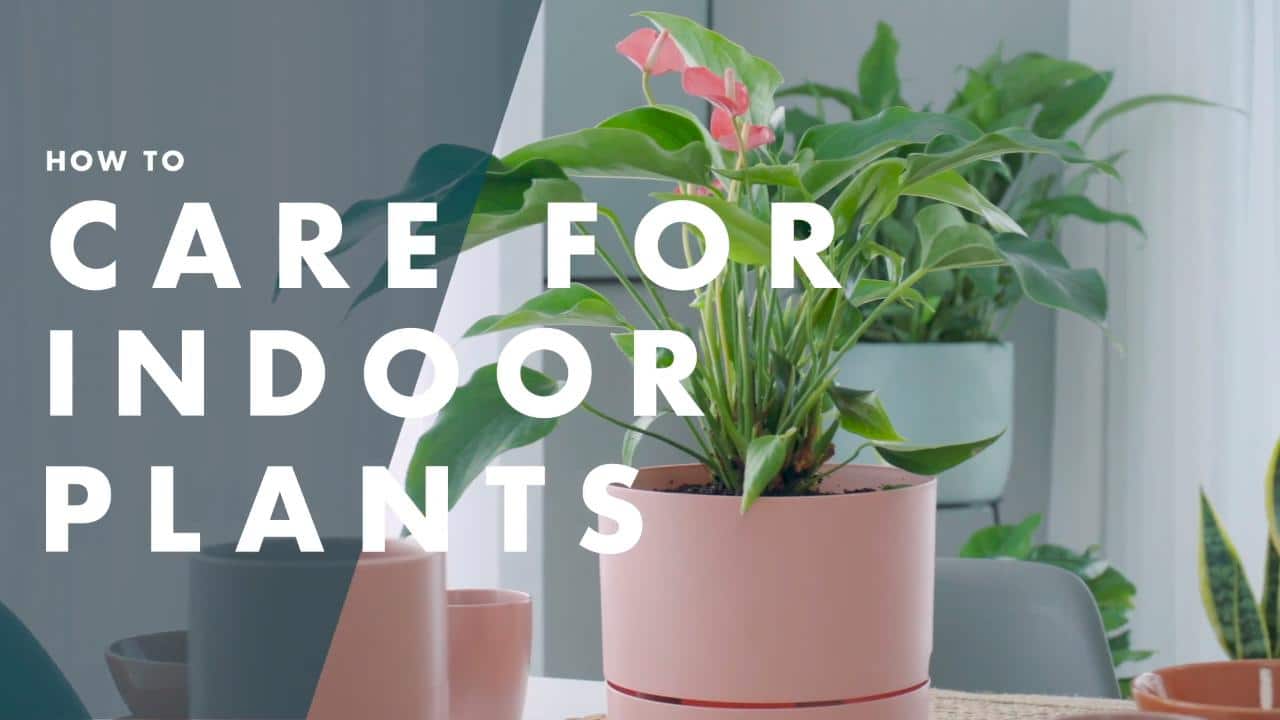
Decorating with Indoor Plants: Tips and Tricks
Transform your living space with indoor plants. Discover essential tips and tricks for selecting, arranging, and maintaining greenery in your home.
Choosing the Right Plants for Your Space
When it comes to decorating with indoor plants, the first step is selecting the right plants for your space. Consider the lighting conditions in your home. Some plants thrive in bright, indirect light, while others prefer low-light environments. For instance, succulents and cacti need plenty of sunlight, whereas ferns and snake plants can tolerate lower light levels. Additionally, think about the size and shape of the plants. Large plants like fiddle leaf figs can make a bold statement in a spacious room, while smaller plants like pothos or spider plants are perfect for shelves or desks. Matching the plant's needs with your home's conditions ensures they thrive and enhance your décor.
Placement and Arrangement
Once you've chosen your plants, the next step is deciding where to place them. The placement of indoor plants can significantly impact the overall aesthetic of your home. Consider placing larger plants in corners or near furniture to create a focal point. Hanging plants or those placed on high shelves can draw the eye upward, making the room feel more spacious. Grouping plants together can also create a lush, cohesive look. Use a variety of heights and textures to add visual interest. For instance, combine a tall, leafy plant with a shorter, bushy one and a trailing vine to create a dynamic arrangement.
Containers and Pots
The choice of containers and pots plays a crucial role in your indoor plant décor. Pots come in various materials, such as ceramic, terracotta, and plastic, each offering different aesthetic and functional benefits. Ceramic pots are stylish and available in numerous designs but can be heavy. Terracotta pots are classic and porous, allowing for better airflow to the roots. Plastic pots are lightweight and often more affordable. When selecting a pot, consider its drainage capabilities. Proper drainage is essential to prevent root rot. Additionally, the color and design of the pot should complement your interior style. Neutral tones can blend seamlessly with any décor, while bold colors can make a statement.
Maintenance and Care
Proper maintenance and care are vital for keeping your indoor plants healthy and beautiful. Each plant has unique requirements for watering, light, and humidity. Overwatering is a common mistake; ensure the soil dries out between waterings for most plants. Use a moisture meter if you're unsure. Regularly dust the leaves to allow for optimal photosynthesis. Fertilize your plants during their growing season to promote healthy growth. Pay attention to signs of stress, such as yellowing leaves or stunted growth, which can indicate issues with light, water, or pests. Consistent care ensures your plants remain vibrant and enhance your home.
Incorporating Plants into Different Rooms
Indoor plants can be incorporated into various rooms to enhance their ambiance. In the living room, large statement plants like monstera or fiddle leaf figs can serve as focal points. For the kitchen, consider herbs like basil or mint, which are not only decorative but also functional. In the bathroom, plants that thrive in high humidity, such as ferns or orchids, can create a spa-like atmosphere. Bedrooms benefit from air-purifying plants like peace lilies or snake plants, which can improve air quality and promote better sleep. Tailoring plant choices to each room's environment and purpose can create a harmonious and inviting home.
Creative Display Ideas
Get creative with how you display your indoor plants to make them a unique part of your décor. Plant stands and shelves can elevate your plants, adding height and dimension to your space. Wall-mounted planters or vertical gardens can save floor space and create a living wall art piece. Use macramé hangers to suspend plants from the ceiling, adding a bohemian touch. Repurpose items like old teacups or mason jars as quirky plant containers. Mixing and matching different display methods can create an eclectic and personalized look that reflects your style.
Benefits of Indoor Plants
Decorating with indoor plants goes beyond aesthetics; they offer numerous health benefits. Plants can improve air quality by filtering toxins and releasing oxygen. Certain plants, like lavender and jasmine, have calming properties that can reduce stress and improve mood. The act of caring for plants can also be therapeutic, providing a sense of accomplishment and connection to nature. Additionally, indoor plants can increase humidity levels, which is beneficial during dry seasons. By incorporating plants into your home, you not only enhance its beauty but also contribute to a healthier living environment.
Troubleshooting Common Issues
Despite your best efforts, you may encounter some common issues with indoor plants. Pest infestations, such as spider mites or aphids, can be treated with natural remedies like neem oil or insecticidal soap. Yellowing leaves may indicate overwatering or nutrient deficiencies. Adjust your watering schedule or use a balanced fertilizer to address these issues. If a plant is not thriving in its current location, consider moving it to a different spot with more suitable light conditions. Regularly inspect your plants for signs of trouble and address issues promptly to keep them healthy and vibrant. By troubleshooting effectively, you can ensure your indoor garden remains a beautiful and thriving part of your home.