Creating a Zen Garden: A Step-by-Step Guide
Discover how to create a peaceful Zen garden with our step-by-step guide, transforming your outdoor space into a serene retreat.
Introduction to Zen Gardens
Creating a Zen garden, also known as a Japanese rock garden or karesansui, can be a deeply fulfilling project that brings tranquility and aesthetic beauty to your home. These gardens are designed to evoke a sense of peace and contemplation through the use of rocks, sand, and minimalistic plantings. Whether you have a large outdoor space or a small corner in your backyard, a Zen garden can be tailored to fit your needs and preferences. In this guide, we will walk you through the essential steps to create your very own Zen garden, offering tips and insights along the way to ensure your project is both enjoyable and successful.
Selecting the Perfect Location
The first step in creating a Zen garden is choosing the right location. Ideally, you want a space that is quiet and away from the hustle and bustle of everyday life. This could be a secluded corner of your yard, a spot near a water feature, or even a small area on your patio. The key is to find a place where you can relax and enjoy the serene environment you are about to create. Consider the amount of sunlight the area receives, as some plants used in Zen gardens prefer partial shade. Also, think about how the location will look from different viewpoints, as Zen gardens are meant to be visually pleasing from various angles.
Gathering Materials
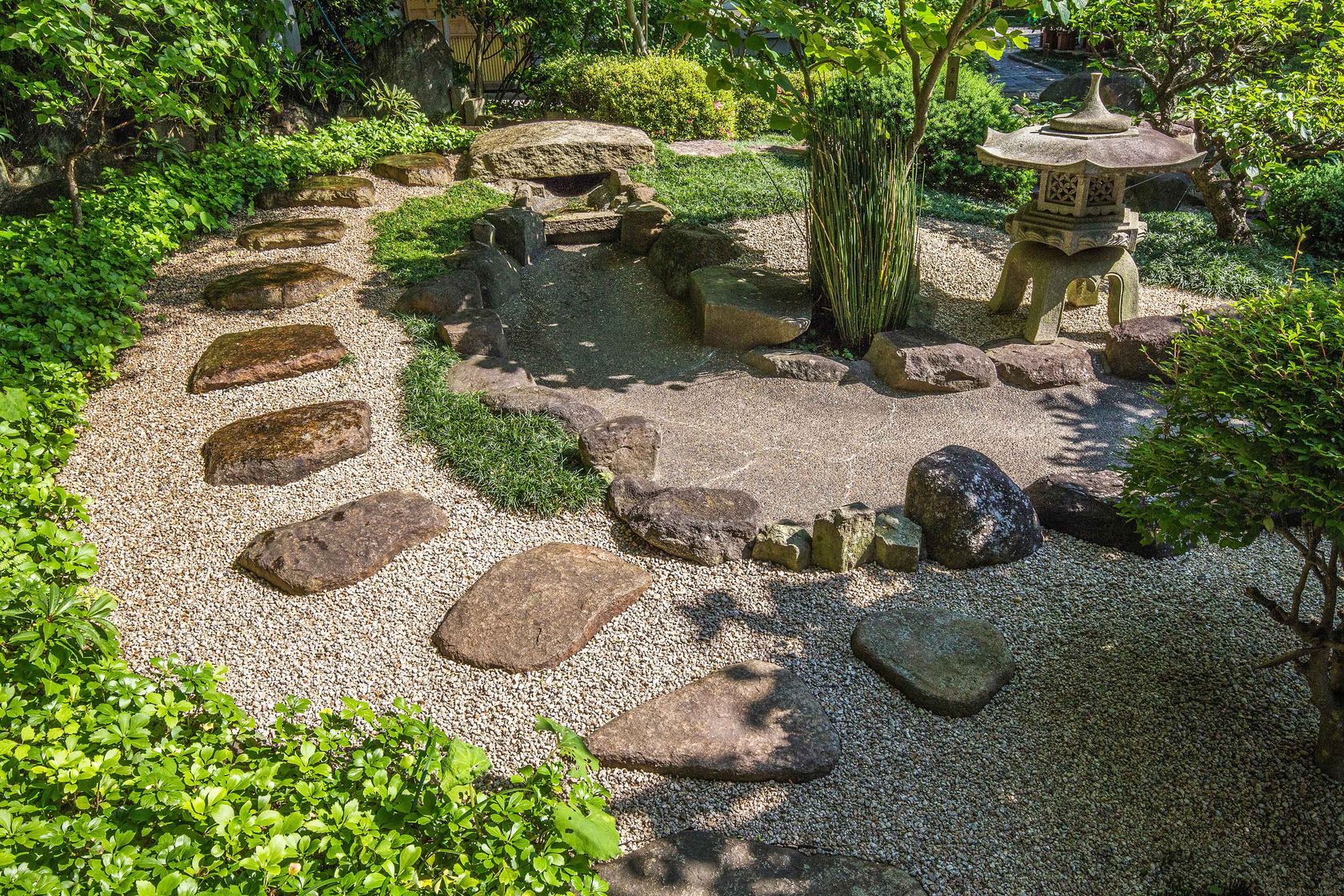
Once you have selected the perfect location, it's time to gather your materials. The primary components of a Zen garden are rocks, sand, and gravel. You will need a variety of rocks in different shapes and sizes to create visual interest and represent mountains or islands. Sand or gravel is used to create the base of the garden and can be raked into patterns to symbolize water. Additional materials may include a rake for creating patterns, a shovel for digging, and edging materials to define the garden's boundaries. If you plan to include plants, select those that are low-maintenance and suited to your climate, such as moss, ferns, or small shrubs.
Designing Your Zen Garden
Designing your Zen garden is an opportunity to express your creativity and personal style. Start by sketching a rough layout of your garden on paper, considering the placement of rocks, sand, and any plants you wish to include. The design should be simple and uncluttered, with a focus on balance and harmony. Place larger rocks first, as these will serve as the focal points of your garden. Arrange them in groups or clusters to create a natural look. Next, spread the sand or gravel evenly across the garden, using a rake to create patterns such as waves or ripples. These patterns can be changed periodically to refresh the garden's appearance.
Adding Plants and Decorations
While traditional Zen gardens are often minimalistic, incorporating plants and decorations can add a touch of personalization and enhance the garden's beauty. Choose plants that are easy to care for and complement the overall aesthetic of the garden. Moss is a popular choice for its lush, green appearance and low-maintenance nature. You can also add small shrubs, ferns, or bamboo to create height and texture. Decorative elements such as lanterns, statues, or water features can also be included to enhance the garden's ambiance. Just remember to keep the overall design simple and uncluttered to maintain the garden's tranquil atmosphere.
Maintaining Your Zen Garden
Maintaining a Zen garden is relatively simple, but it does require regular attention to keep it looking its best. Rake the sand or gravel periodically to refresh the patterns and remove any debris. Trim plants as needed to prevent overgrowth and maintain their shape. If moss is used, keep it moist by misting it with water, especially during dry periods. Check for weeds regularly and remove them promptly to keep the garden neat and tidy. With consistent care, your Zen garden will remain a peaceful retreat that you can enjoy for years to come.
The Benefits of a Zen Garden
Creating and maintaining a Zen garden offers numerous benefits beyond its visual appeal. The process of designing and tending to the garden can be a meditative practice that reduces stress and promotes mindfulness. The serene environment of a Zen garden provides a space for relaxation and contemplation, helping to improve mental well-being. Additionally, the minimalist design of a Zen garden encourages a sense of order and simplicity, which can be a refreshing contrast to the chaos of daily life. Whether you spend a few minutes or several hours in your Zen garden, you are likely to experience a sense of calm and rejuvenation.
Incorporating Zen Principles
To truly capture the essence of a Zen garden, consider incorporating some traditional Zen principles into your design. One key principle is wabi-sabi, which embraces the beauty of imperfection and impermanence. This can be reflected in the natural, asymmetrical arrangement of rocks and plants. Another important concept is kanso, or simplicity, which encourages a minimalist approach and the elimination of unnecessary elements. By embracing these principles, you can create a garden that not only looks beautiful but also embodies the spirit of Zen philosophy. This thoughtful approach will enhance the overall experience of your Zen garden and deepen your connection to the space.
Conclusion
Creating a Zen garden is a rewarding project that offers both aesthetic and emotional benefits. By following these steps and embracing the principles of Zen design, you can transform a simple outdoor space into a tranquil retreat that brings peace and harmony to your home. Whether you use your Zen garden as a place for meditation, relaxation, or simply as a beautiful addition to your landscape, it is sure to provide a sense of calm and well-being. So gather your materials, unleash your creativity, and embark on the journey of creating your very own Zen garden.