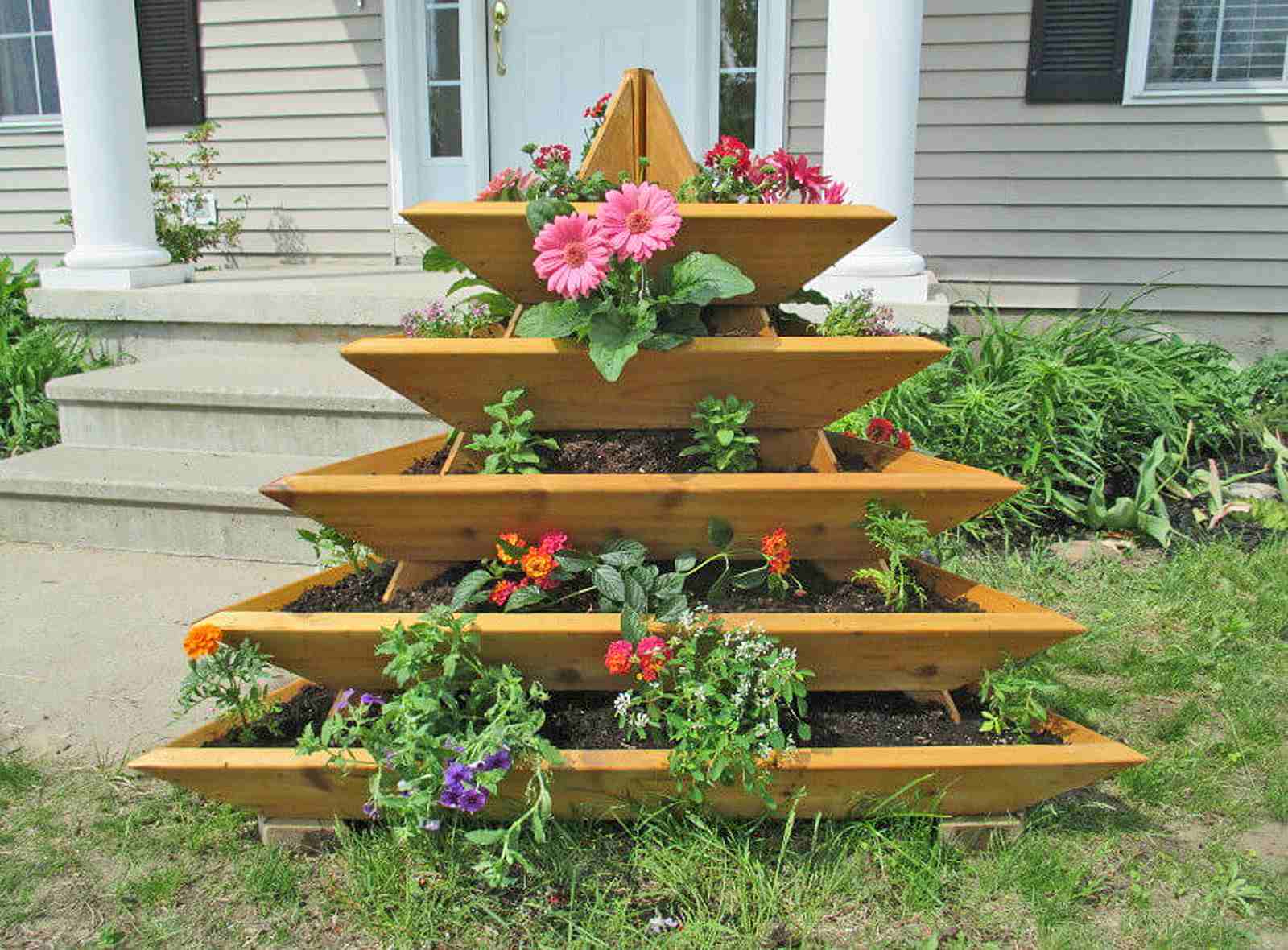
Building a Raised Bed Garden: What You Need to Know
Discover the essentials for building a raised bed garden, from choosing materials to selecting the right plants, for a thriving garden space.
Choosing the Right Location
When building a raised bed garden, selecting the right location is crucial. Opt for a spot that receives at least six to eight hours of sunlight daily, as most vegetables and flowers thrive under these conditions. Ensure the area is level to prevent water from pooling on one side, which can lead to uneven growth and root rot. Consider proximity to a water source for easy irrigation and accessibility for regular maintenance. Avoid placing your garden bed near large trees or shrubs, as their roots can invade the bed and compete for nutrients. Additionally, think about the aesthetics of your garden and how it integrates with the rest of your outdoor space. A well-placed raised bed can enhance the overall appeal of your garden, making it both functional and beautiful.
Selecting Materials for Your Raised Bed
The materials you choose for your raised bed garden can significantly impact its durability and appearance. Common options include wood, stone, and metal. Wood is a popular choice due to its natural look and ease of use. Cedar and redwood are especially favored because of their resistance to rot and pests. Stone offers a more permanent and robust solution, though it can be more expensive and labor-intensive to install. Metal beds, often made from galvanized steel, provide a modern aesthetic and are extremely durable. When selecting materials, consider the climate and environmental conditions of your area. For instance, untreated wood may decompose faster in humid climates, while metal can become hot in direct sunlight, potentially affecting plant roots. Weigh the pros and cons of each material to find the best fit for your garden.
Preparing the Soil
Soil preparation is a critical step in ensuring the success of your raised bed garden. Start by removing any existing grass or weeds from the area where you plan to place the bed. Next, fill the bed with a high-quality soil mix. A common recommendation is a blend of topsoil, compost, and organic matter. This mix provides a rich, well-draining environment that supports healthy plant growth. You can also add specific amendments based on the needs of the plants you intend to grow. For instance, adding peat moss can improve soil structure, while perlite can enhance drainage. Regularly test your soil's pH and nutrient levels to ensure it remains optimal for plant health. Remember, healthy soil is the foundation of a thriving garden, so invest time and effort into getting it right.
Planting Your Garden
Once your raised bed is prepared and filled with nutrient-rich soil, it's time to start planting. Begin by planning the layout of your garden, considering the mature size and spacing requirements of each plant. Group plants with similar water and sunlight needs together to simplify maintenance. Companion planting is a useful technique where certain plants are grown together to enhance growth and deter pests. For example, planting basil near tomatoes can improve flavor and repel insects. When planting, follow the recommended planting depth and spacing guidelines for each type of plant. Water the plants thoroughly after planting to help them establish roots in their new environment. Mulching around the plants can help retain moisture, suppress weeds, and regulate soil temperature.
Watering and Maintenance
Proper watering and maintenance are essential for a healthy raised bed garden. Water your garden consistently, aiming to keep the soil evenly moist but not waterlogged. The frequency of watering will depend on your climate, soil type, and the specific needs of your plants. Installing a drip irrigation system can provide efficient and consistent watering, reducing the risk of over- or under-watering. Regularly check for weeds and remove them promptly to prevent competition for nutrients and water. Pruning and deadheading flowers can promote healthier growth and more abundant blooms. Monitor your plants for signs of pests and diseases, and take action quickly if issues arise. Consistent care and attention will ensure your garden thrives throughout the growing season.
Extending the Growing Season
One of the advantages of a raised bed garden is the ability to extend the growing season. Raised beds warm up faster in the spring and can be kept warm longer in the fall, allowing you to plant earlier and harvest later. Consider using row covers or cold frames to protect your plants from unexpected frosts and extend their growing period. These tools can also help shield your garden from pests and extreme weather conditions. In addition, you can experiment with planting cool-season crops like lettuce, spinach, and radishes, which can tolerate cooler temperatures. By taking advantage of these techniques, you can enjoy fresh produce from your garden for a more extended period, maximizing your harvest.
Harvesting and Enjoying Your Produce
The most rewarding part of gardening is harvesting and enjoying the fruits of your labor. Harvesting times will vary depending on the types of plants you grow, so keep track of planting dates and maturity periods. Use clean, sharp tools to harvest your produce to avoid damaging the plants. Regular harvesting encourages continued production, especially for plants like beans, cucumbers, and zucchini. Once harvested, store your produce properly to maintain its freshness. Some vegetables can be stored in a cool, dark place, while others may need refrigeration. Enjoy your fresh produce in a variety of ways, from salads and stir-fries to preserves and pickles. Sharing your garden's bounty with friends and family can also be a delightful way to celebrate your gardening success.